Parrocchia di Eonyang
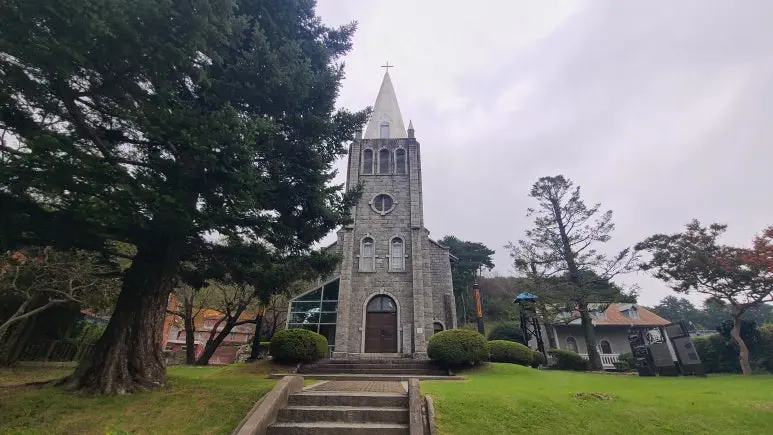
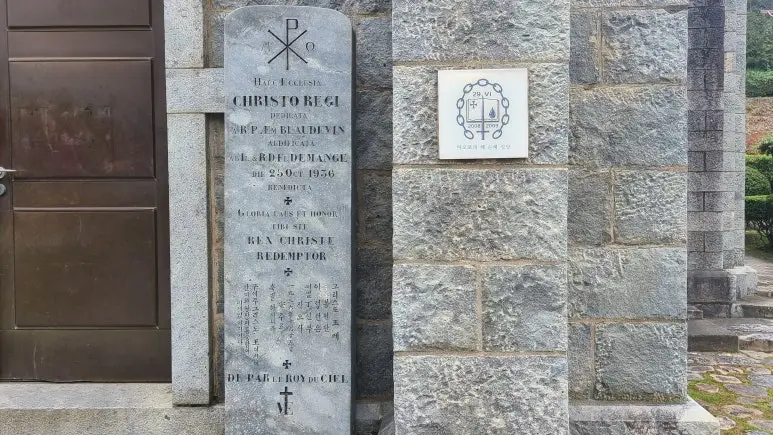
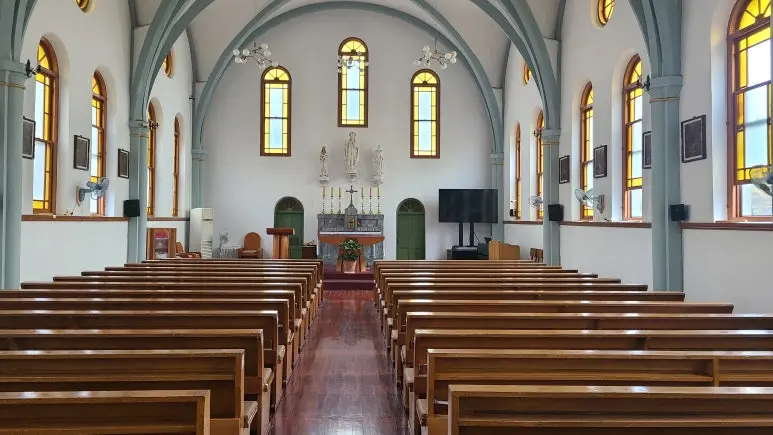
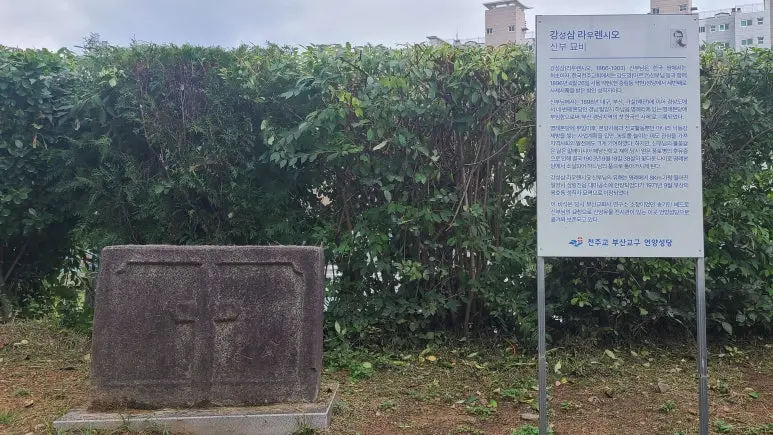
Builtin 1936, this is the first church established in the Ulsan region and the only**Gothic-style stone church** in the Diocese of Busan. It is a Roman Catholicholy site in Korea. Inside the church are the relics of four MartyrSaints—**St. Andrew Kim Dae-geon**, **St. Laurent-Joseph-Marius Imbert**, **St.Peter Maubant**, and **St. James Chastan**.
Informationpanels describe the **Ulsan Catholic Pilgrimage Route**, the path once walkedby Catholics in the Joseon era.
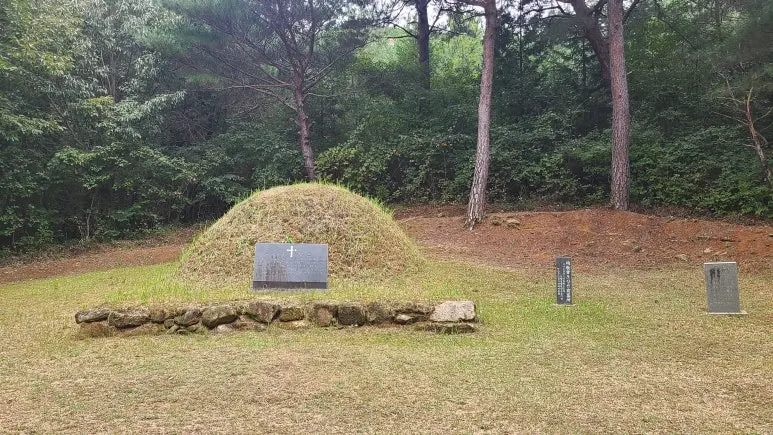
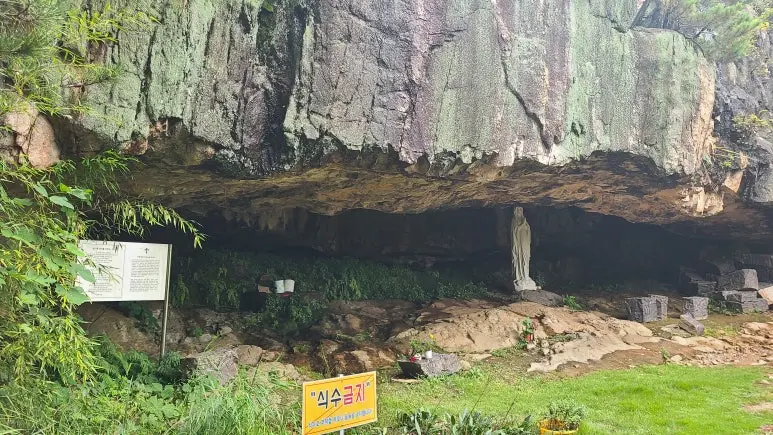
Behindthe church lies a mountain area containing the **Way of the Cross** and aLourdes-style grotto. Nearby stands the **Faith Relics Exhibition Hall**, builtin 1990 to commemorate 200 years of Catholic evangelization in the Eonyangregion.
Themuseum holds various prayer books, catechisms, and liturgical items registeredwith the Holy See, as well as vestments and sacred vessels used in earlyCatholic worship. The second floor contains about **700 traditional folkitems** used by early Korean Catholics in daily life.
Informazioni
- Telefono: 052-262-5312
- Sito web: http://eonyang.pbcbs.co.kr/pbcbs_community_html/main/index.asp
-
Orario delle Messe:
Orario delle Sante Messe
Domenica
Mer, Gio
Mar, Ven
Lunedi
Orario delle Sante Messe 06:30, 10:30
19:30
10:00
19:30
06:30