Archdiocese of Seoul
Holy Site
Seosomun Martyrs’ Shrine (서소문 밖 네거리 순교성지, SeosomunBak Naegeori Sungryoseongji)
16-4, Eui-ju-ro 2-ga, Jung-gu, Seoul
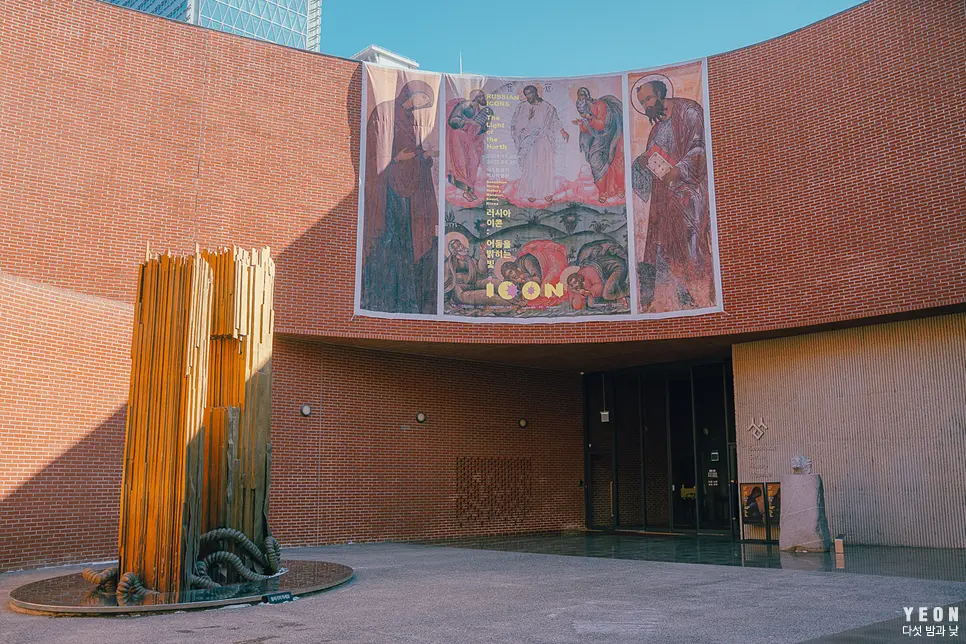
출처: 네이버 블로그 ssovely8 (https://blog.naver.com/ssovely8/222646514087)

출처: 네이버 블로그 ssovely8 (https://blog.naver.com/ssovely8/222646514087)
Seosomun Martyrs’ Shrine, together with Saenamteo,was an official execution ground of the Joseon dynasty. Since the Shin-yuPersecution, more than one hundred martyrs whose identitiesare confirmed have diedhere. Of these, forty-four were canonized by PopeJohn Paul II, making this the single martyrdom site with the greatest number ofcanonized saints.
Among the 124 early martyrs and witnesses whosebeatification process was promoted by the Korean Church, twenty-seven martyrsof Seosomun—including Kang Wan-suk Columba—weredeclared Servants of God and were all beatified by Pope Francis.
Information
- Phone: 02-3147-2401
- Website: https://www.seosomun.org/index.do#5thPage
-
Mass Time:
Mass Times
Seosomun Shrine History Museum: 9:30–17:30 (Closed on Mondays)
Shrine Mass: 11:00, 15:00 (Tuesday–Sunday)
Friday Mass: 10:00
About the Saint
St. Paul Chong Ha-sang
Paul Chong Ha-sang worked tirelessly to bringforeign missionaries to Korea and boldly defended Catholic doctrine. Bishop LaurentImbert selected him as a seminarian, and he studied Latinand theology, though he was not ordained. After his father’s martyrdom duringthe Shin-yu Persecution, he lived inthe home of his uncle Jeong Yak-yong, where helearned doctrine and aided the Church.
He led the effort to bring priests into Joseon,traveling to Beijing nine times with Jo Shin-cheol and Yu Jin-gil, eventuallysucceeding in bringing four missionaries, including Father Maubant, to Korea.During the Gihae Persecution, he wasarrested at age forty-five and was martyred by beheading at Seosomun.
St. Columba Kim Hyo-im & St.Agnes Kim Hyo-ju
These virgin-martyr sisters received Baptism fromFather Yu Bang-je. Kim Hyo-im resolved to live a life of virginity with her twoyounger sisters and lived with deep piety until she was arrested during the GihaePersecution.
At the police tribunal, the sisters endured thetorture known as “hawk dance,” and their bodies were burned in thirteen placeswith red-hot irons. They were also thrown naked into a cell with maleprisoners, but by a mysterious grace, the men were unable to harm them.
While suffering illness in prison, both sisterswere finally beheaded at Seosomun, dying as martyrs at the ages of twenty-sixand twenty-four.